
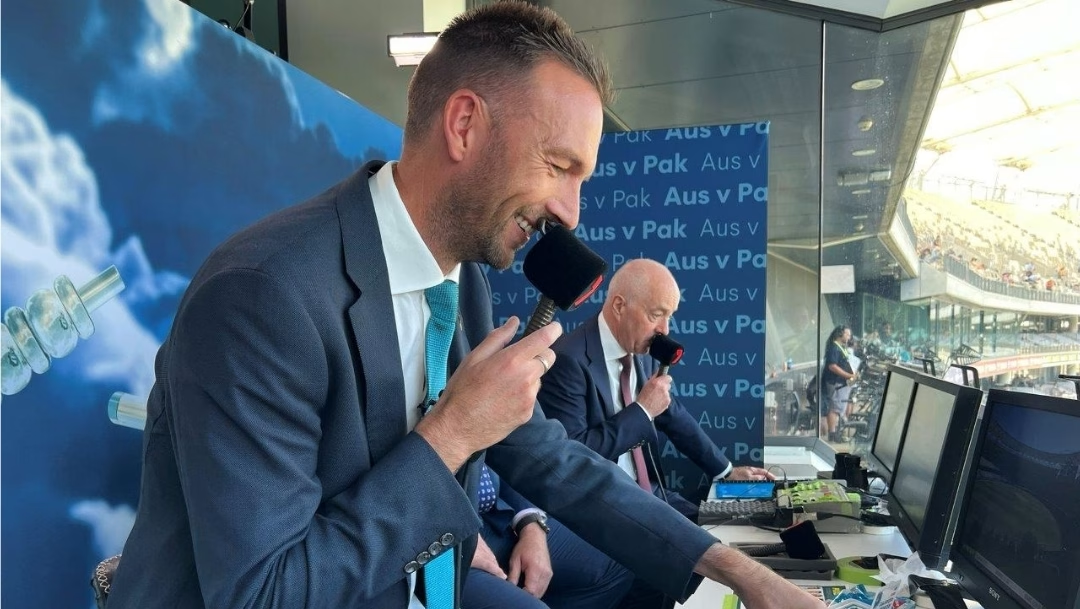
A commentator’s voice cuts through crowd noise, other voices in the box, and the pressure of live sport. That clarity does not happen by accident. It depends on equipment choices made well before the first ball is bowled.
When it comes to live sport commentary, performance is the priority. Clear, reliable voice capture matters more than how a microphone or windshield looks on camera, particularly in environments where television and radio networks, broadcast engineers, and freelance commentators are working under real pressure. That reality shapes how we approach every broadcast windshield we produce.
This is why we always ask for the make and model of the microphone before recommending or manufacturing a windshield. The performance of the microphone is more important to us than branding the windshield by the most visible method. If the mic does not perform at its best, the broadcast suffers.
Why microphone design matters
The Coles 4104 lip ribbon microphone is a close-talking microphone built for noisy environments such as commentary boxes and field-side positions.
It is so cleverly designed that the diaphragm only picks up the speaker’s voice and nothing else. In practical terms, a commentator can be speaking right beside you and the microphone will still strongly favour your voice.
This isolation explains why microphones like the Coles 4104 continue to be used by television and radio networks, as well as freelance commentators, year after year.
The role of the windshield in microphone performance
A microphone can only perform as intended if the windshield fitted to it is correct. In broadcast audio, this balance is often referred to as maintaining acoustic transparency. With close-talking microphones, the windshield must control plosives, breath noise and airflow without interfering with the microphone’s ability to capture speech.
This is why we need to know the exact microphone model before recommending materials, density and construction methods. Branding always comes second to ensuring the microphone continues to perform at its optimum level.Correct windshield specification means fewer audio issues, cleaner speech, and commentators who can focus on the game rather than their equipment.
Why does the microphone model matter when specifying a windshield?
Different microphones respond differently to foam density, airflow, and proximity to the speaker. Using the wrong windshield can affect clarity, introduce unwanted noise, or compromise the microphone’s intended performance. Knowing the exact make and model allows the windshield to be specified so it supports the microphone rather than working against it.
Naked microphone versus windshield in use
Below are examples showing the Coles 4104 microphone both without a windshield and fitted with a branded broadcast windshield in live use.
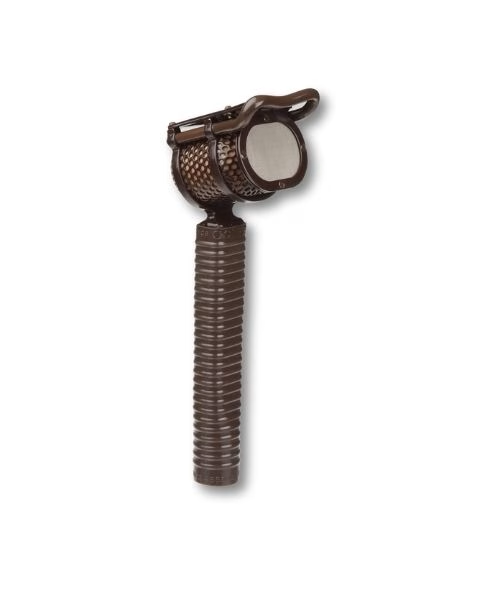
Coles 4104 lip-ribbon microphone shown without a windshield, illustrating the base configuration used in professional broadcast commentary setups.
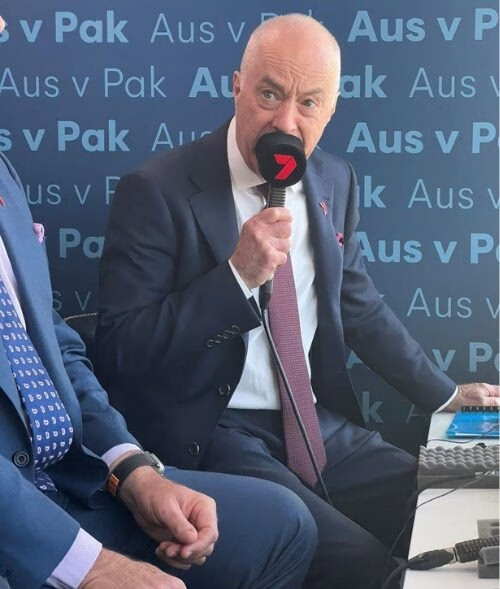
Channel 7 branded broadcast windshield fitted to a Coles 4104 microphone during live cricket commentary.
Real-world use in professional broadcasting
The images shown here are shared with thanks to Channel 7 and demonstrate real-world use in a high-pressure broadcast environment. Commentary boxes demand long sessions, consistent levels and equipment that does not distract the commentator from the job at hand.
Well-designed microphones paired with correctly specified windshields deliver exactly that. Quiet reliability, session after session.
Why we prioritise performance over branding
Branding a windshield is important, but it is never the starting point. Our first concern is always how the windshield will interact with the microphone and whether it supports optimal audio performance.
By focusing on the right solution for each microphone and use case, we help broadcasters and commentators protect audio quality while still achieving a professional on-camera result.
If you are planning a broadcast setup for an upcoming season, let us know the make and model of the microphones being used. We can recommend a windshield specification that supports performance first and branding second.